Quirky – if slightly spooky – historic village in the hidden heart of Norfolk
The Best Things To Do:
- Walk the priory grounds
- Visit the Shirehall Museum and ask for the keys to the old prison
- Go inside the Methodist Chapel – built in the 1790s
- Visit the Anglican Shrine of Our Lady
- Walk into the village from the Slipper Chapel
- Get a cup of tea at the Read & Digest Tea Room
You can read a hundred guidebooks to Norfolk and still get the impression that Walsingham is a bit of an add-on. But you will do well to find anywhere else quite like it. It is one of Norfolk’s few absolute must-visits.
Not to be confused with nearby Great Walsingham (which is considerably littler than Little Walsingham), Little Walsingham remains a major pilgrimage site for a host of different religions and denominations therein. Whatever your views on all matters Holy, it is worth visiting Little Walsingham if only to take in its architecture and history.
Every corner of the village offers something of note, be it rows of lopsided, angular houses or stern Victorian correction centres. The village is yet to be gentrified and exudes a stately confidence in its strangeness. The grocery shop – with its Hovis Best of Both, Lotto scratch-cards, and Happy Shopper tins of new potatoes – is older than most buildings in America.
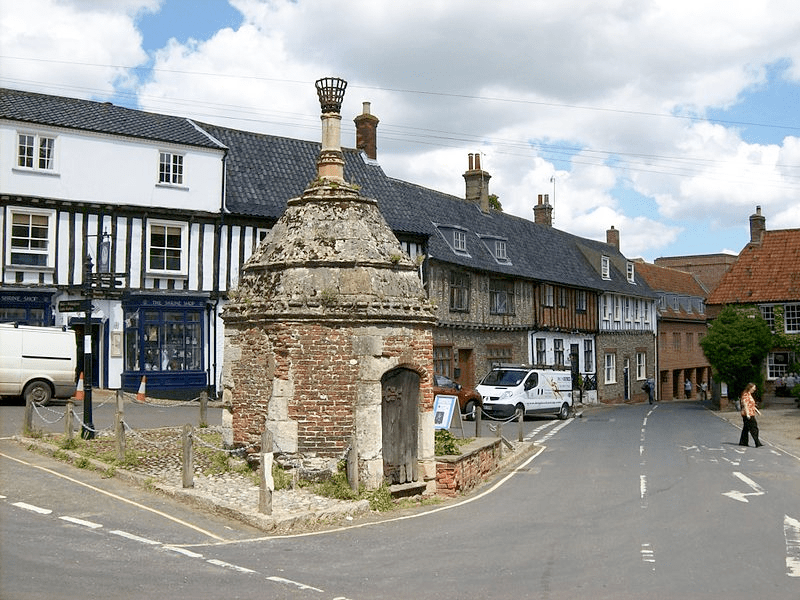
Copyright – Poliphilo – https://commons.wikimedia.org/w/index.php?curid=19978666
Walsingham’s fame came as the result of a local woman, Richeldis de Faverches, claiming she was visited multiple times by the Virgin Mary in 1061. On one of her visits, Mary presented Richeldis with a vision of her home in Nazareth. Richeldis took down measurements and set about having it rebuilt in Walsingham as a shrine.
After a few teething problems with the project, Richeldis awoke one evening to find the shrine being built in a different location to the original plot. Not only that, but angels were now doing the construction work, not local builders. Goodness knows what their night rates were.
The discovery of a natural spring below the shrine was a sure-fire signifier of God’s hand, and soon people were making the pilgrimage to Walsingham – arriving from overseas by boat in nearby coastal towns such as Wells and Blakeney – to be cured by the water. They walked the last mile barefoot, taking their shoes off at the Slipper Chapel on the edge of the village.
‘Whoever seeks my help there,’ the Virgin Mary had told Richeldis, ‘will not go away empty-handed.’
There is some doubt as to the correct dating of the shrine. Some historians have argued that Richeldis de Faverches lived a century later (late enough for her son to join the Crusades, which records suggest he did). One suspects these finer details don’t quite matter. That the shrine may have been built in 1140 and not 1061 is unlikely to deter Catholics or provide much ammunition for atheists. Walsingham doesn’t deal in such irrelevances.
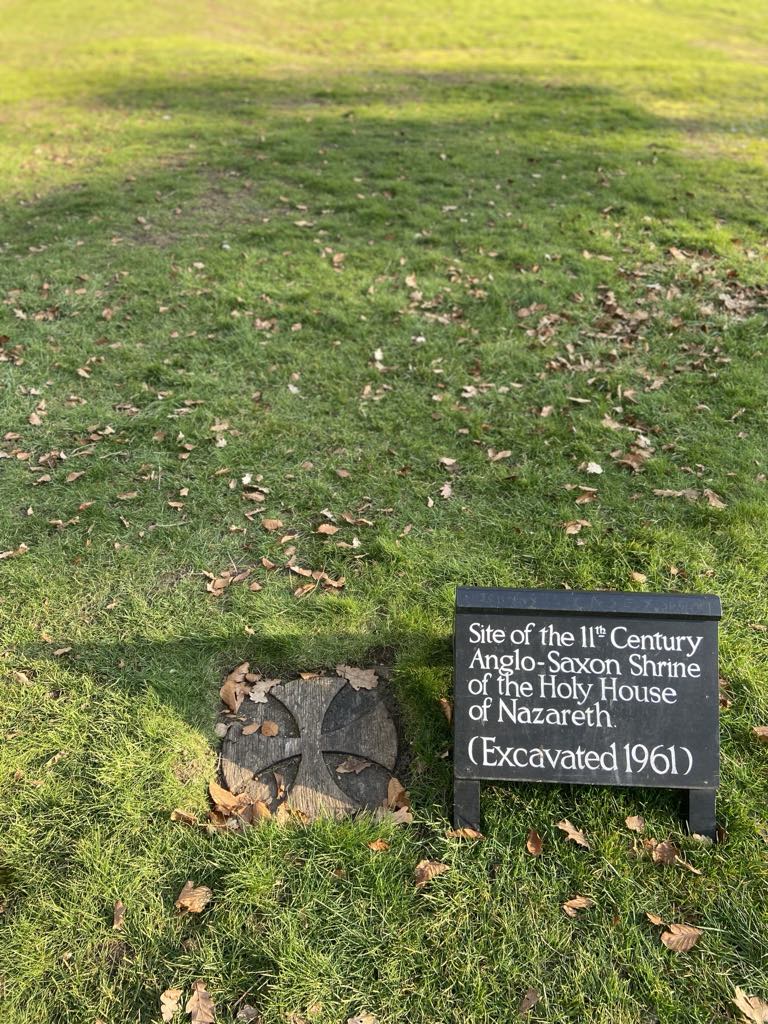
The actual site of the original shrine is equally clouded in uncertainty, despite a stone in the ruined priory grounds alleging to mark the spot (see below). The original well to the spring is also lost to time, but a 1930s Anglican shrine which today stands above an old Saxon well may well be it. But nobody knows. Certainly, plenty of visitors treat the 1930s well as the real thing, with people daily queuing to have its water spooned into their hands by a member of the clergy.
As the centuries passed, and the waters healed ever-increasing numbers of weary pilgrims, the village became known as England’s Nazareth. Many referred to stars in the Milky Way as the ‘Walsingham Way’: even the celestial bodies appeared to guide lowly souls to its waters.
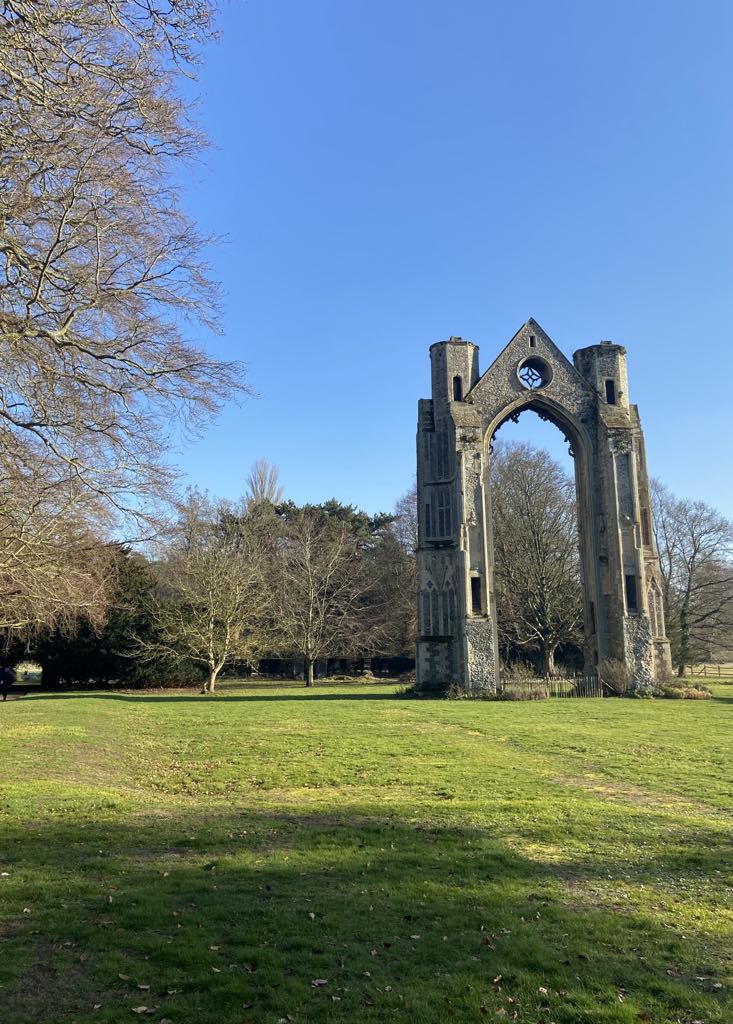
I should warn you that while some people (i.e. me) adore Little Walsingham’s kookiness, others hate it. It was ever thus. Henry VIII was unusual in that he flitted between the two emotions. A regular pilgrim in his early years, Henry later adopted a more curmudgeonly attitude to all things Catholic. The Slipper Chapel, where once he’d removed his footwear, soon became a cow shed. The spectacular ruined abbey in the centre of the village was the more visible outcome of his kingly change of humour.
It is easy to see why some people find aspects of Walsingham off-putting. A number of its shops, what few there are, are loaded with plastic Roman Catholic idols in the windows (St Peter on one knee: £12.99) and postcards of the Pope (don’t ask me which Pope – I’m pretty sure they’re all the same chap: old, short, ruddy cheeks, white hair). But I find it endearing to see somewhere wear its faith so boldly. What other places do so? It is one of the few villages where you can still see nuns pottering around in their habits, head down, being actual nuns.
Walsingham is heavy with ghosts, good and bad. An elderly lady in one of its charity shops once told me, in a delicious Irish accent, that there were ‘battles in the air here in Walsingham’.
I knew exactly what she meant. You may well, too.
I can almost guarantee that when you go, you’ll be one of only about four other visitors. Unless, of course, you visit bang in the middle of a pilgrimage weekend, in which case, you might think you’ve accidentally wandered down into Oxford Circus tube station at rush hour. Check the calendar beforehand.
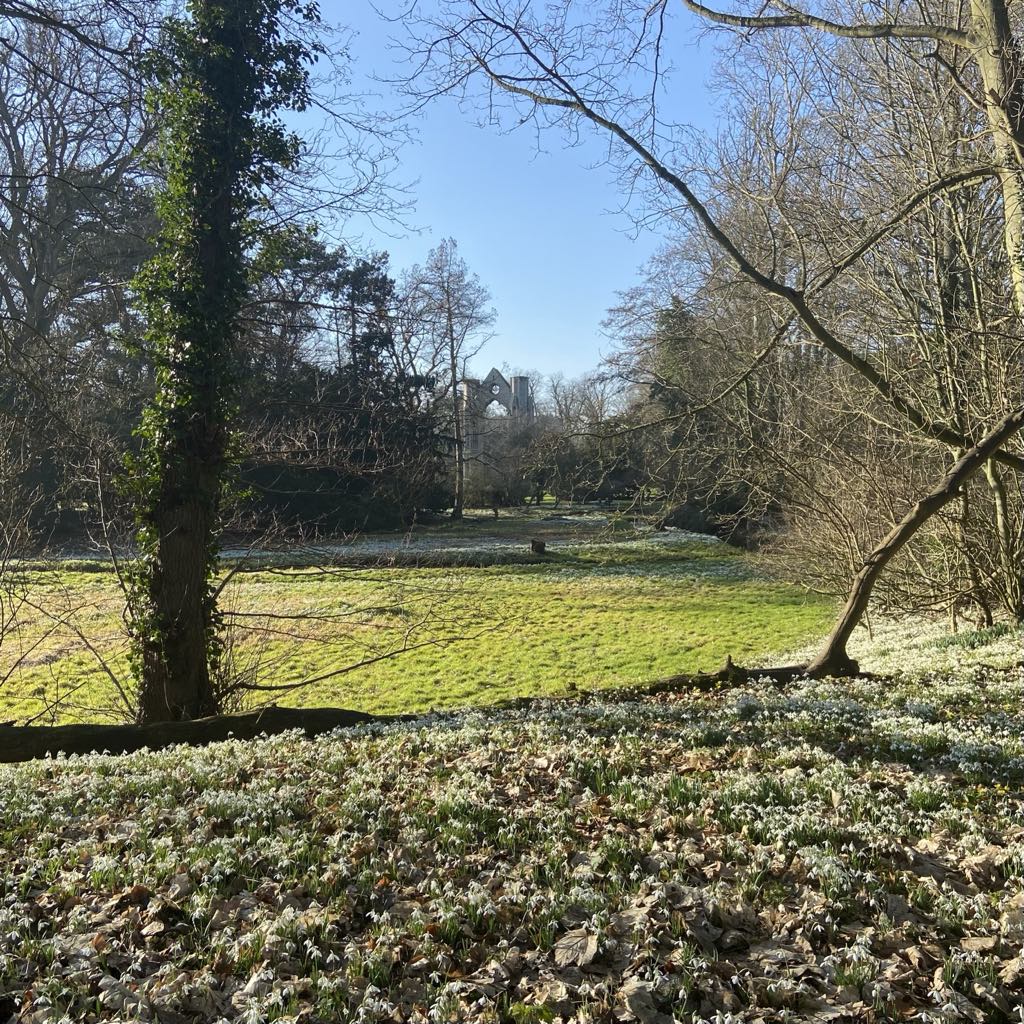
Walsingham’s other major annual rush is when the snowdrops blossom in mid-February and the village is overrun by people in North Face jackets. They are quite some sight (the flowers, not the jackets).
Love it or hate it, or wildly indifferent, you will never forget going to Little Walsingham. It’s strange like that.